Artemis 1 Mission: NASAs Giant Leap Back to the Moon… Full Timeline and Key Achievements
Hey there, space fans… have you ever stared up at the night sky and wondered when well see humans dancing on the lunar surface again? Well, buckle up because the Artemis 1 mission was that first thrilling step in NASAs bold plan to make it happen. Launched way back in 2022, this uncrewed beast of a flight tested everything from the massive Space Launch System rocket to the Orion spacecraft, paving the way for actual astronauts to follow. Im talking about a journey that looped around the Moon, dipped into deep space, and splashed down safe after 25 days of pure cosmic adventure. If youre into space history or just curious about how we might live on the Moon someday, this deep dive is for you… well cover the buildup, the heartpounding launch, every twist in the timeline, cool science experiments, and what it all means for the future. Lets blast off!
 NASA
NASA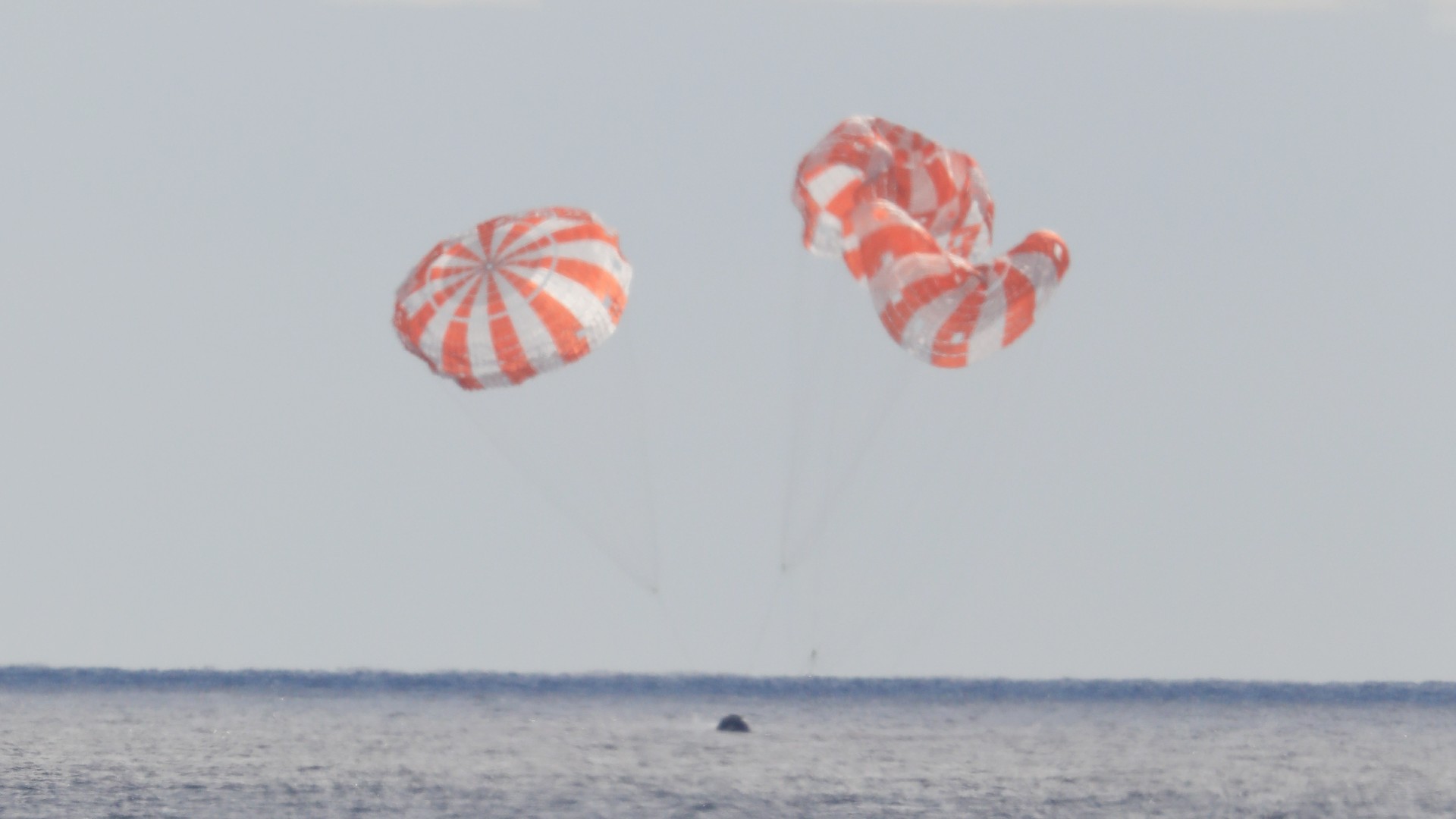 NASA
NASA NASA
NASA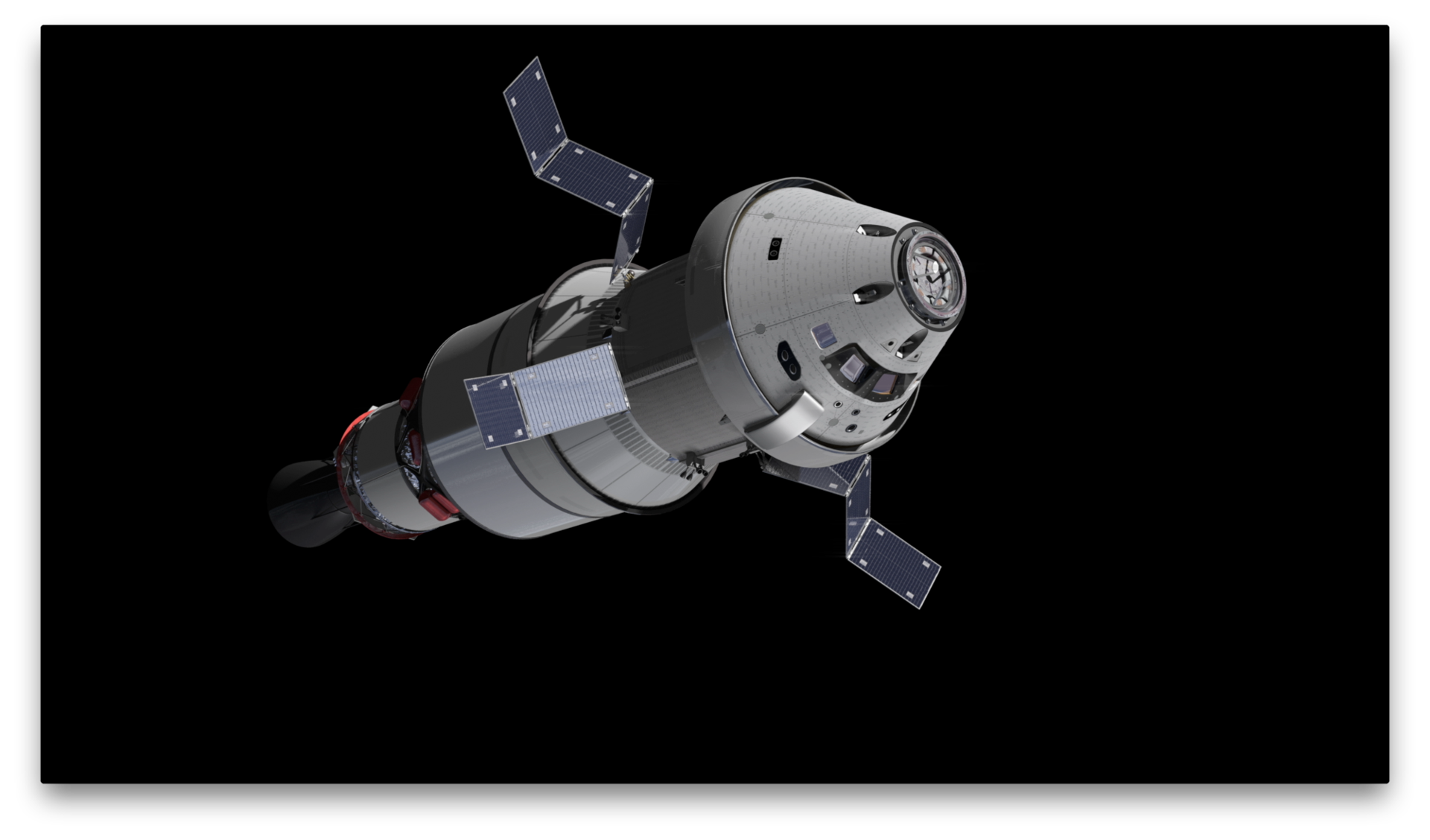 NASA
NASA NASA
NASAImage Gallery: Click arrows or dots to explore official NASA shots from launch to splashdown.
Okay, lets start from the beginning… the Artemis program kicked off in 2017 when President Trump signed Space Policy Directive 1, basically saying, Hey NASA, get back to the Moon but do it smarter this time. Artemis 1, originally called Exploration Mission 1 or EM1, was the kickoff, an uncrewed test to shake out all the kinks before putting real people on board. No landing this time, just a highspeed loop around the Moon to check if the hardware could handle the brutal ride to deep space and back.
Think about it… since Apollo 17 in 1972, we havent sent folks beyond low Earth orbit. The Space Shuttle was amazing for satellite work, but it never went lunar. Now, with Artemis, NASA wants a sustainable presence on the Moon, mining resources like water ice for fuel, and using it as a jumpingoff point for Mars. Artemis 1 was crucial because it proved the big boys: the Space Launch System or SLS rocket, the most powerful ever built with 8.8 million pounds of thrust, and the Orion capsule, designed to keep crews alive for weeks in the void. Oh, and dont forget the European Service Module from ESA, handling power, propulsion, and life support… international teamwork at its finest.
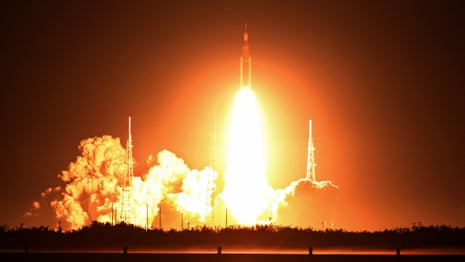
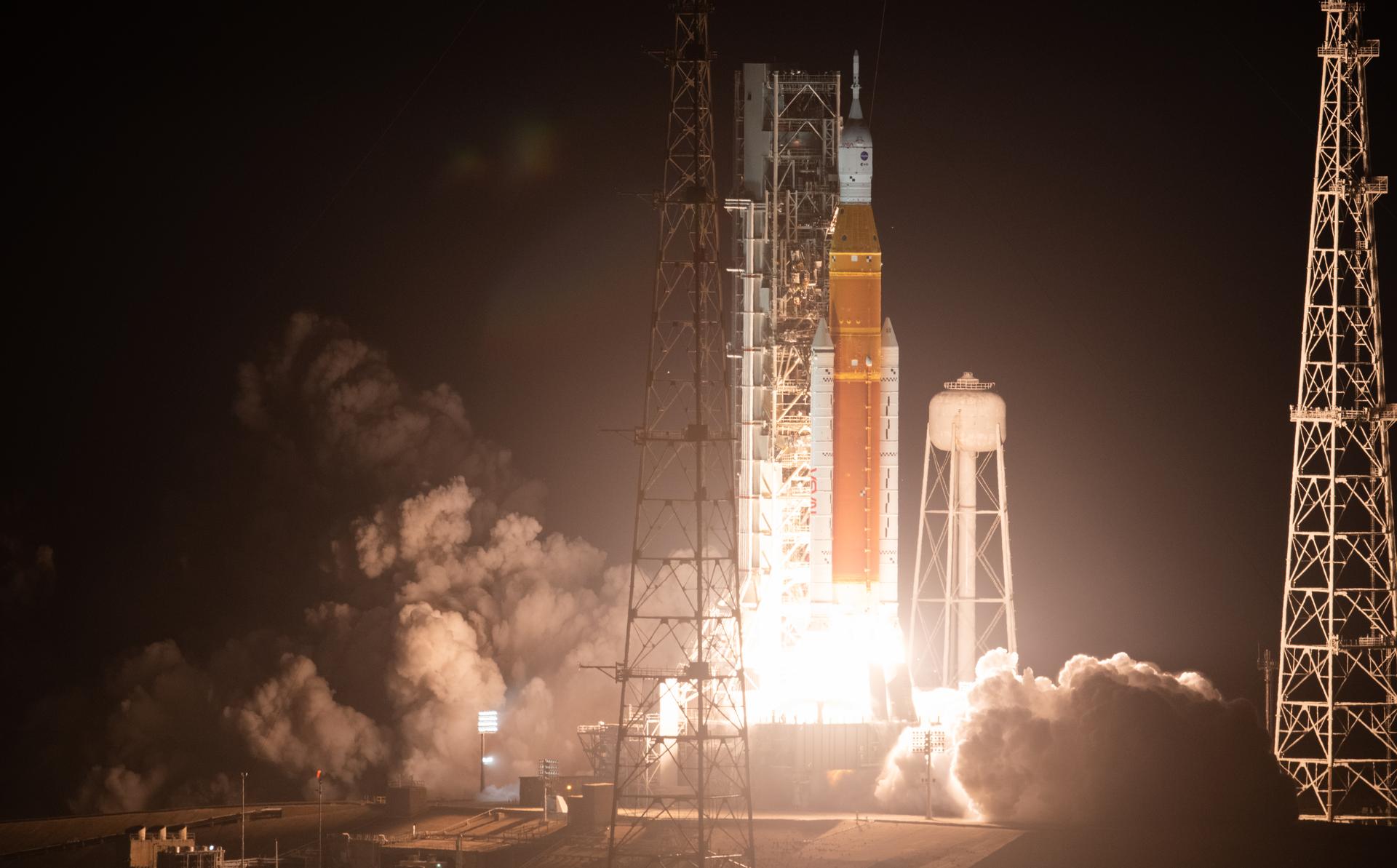
But getting there wasnt smooth… delays piled up from 2017 to 2022. COVID hit hard, supply chain messes, technical glitches like hydrogen leaks during wet dress rehearsals. Remember Hurricane Nicole in November 2022? Winds up to 85 mph battered the pad, but the team inspected and gave the green light. By launch day, November 16, 2022, at 1:47 a.m. EST from Kennedy Space Centers Launch Complex 39B, the world was watching. That roar… it echoed Apollo but louder, brighter, promising a new era.
Launch Day Drama… The Moment the World Held Its Breath
Picture this… its pitch black at Kennedy, millions tuned in live. The countdown hits Tminus zero, and boom, SLS ignites with four RS25 engines from the Shuttle era, flanked by two solid boosters packed with enough explosive power to match a small nuke. Liftoff at exactly 1:47:44 a.m., the stack climbing fast, shaking the ground like an earthquake. Within minutes, Max Q, maximum aerodynamic pressure, passed clean… then stage separation, the core stage falling away after burning cryogenic fuel for eight minutes straight.
The Interim Cryogenic Propulsion Stage or ICPS took over, a beefedup Centaur upper stage, firing to push Orion toward the Moon. About 90 minutes postlaunch, Orion separated, deploying its solar arrays those golden wings that look like butterfly sails, soaking up sunlight for power. Early cameras caught Earth shrinking, that blue marble hanging in the black… pure magic. But it wasnt all smooth; a small leak in the propellant system popped up, but engineers monitored it, no biggie.
Launch day wrapped with the outbound transit phase, days 2 through 5, where Orion coasted, testing systems. Thrusters fired for attitude control, star trackers locked onto constellations for navigation… all green. This phase was key to confirm Orion could handle weeks in space without Earths magnetosphere shielding it from radiation.
The Timeline Unfolds… Every Milestone That Made History
Alright, lets geek out on the timeline… this wasnt a quick hop like Apollo; Artemis 1 was a marathon, covering 1.4 million miles, farthest any spacecraft designed for humans has gone. Flight Day 1: Postlaunch checks, solar arrays fully deployed, no issues. Day 2: Service Module tests, ESA’s pride shining with its 33 engines firing short bursts.
Day 6, November 21: Outbound Powered Flyby… heart of the mission. Orion slingshotted around the Moon at 81,000 mph, just 60 miles above the surface. Closest approach over the Apollo 11 site at Tranquility Base… poetic, right? Cameras snapped pics of the landing spot, while optical navigation cams measured Moons size for precise positioning. That burn lasted minutes but committed Orion to distant retrograde orbit, DRO, a funky eggshaped path looping the far side.
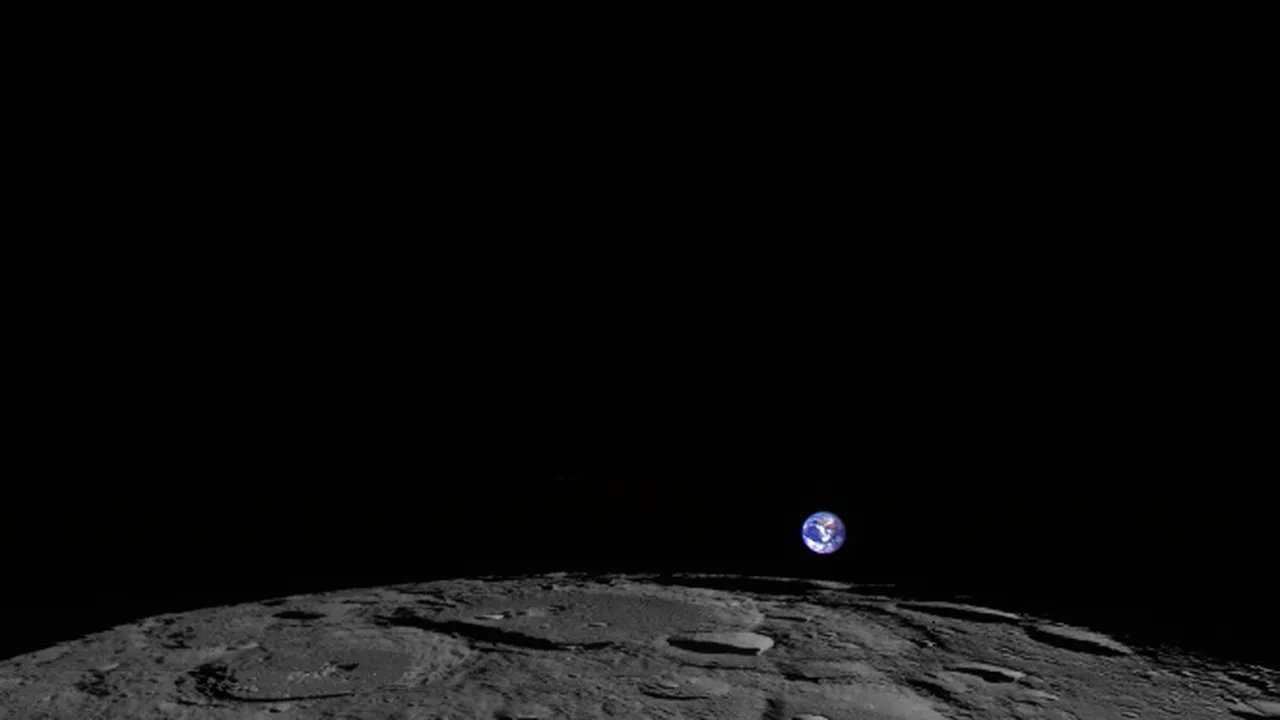
Days 710: DRO insertion. Orion settled into this stable orbit, testing longduration ops. Radiation sensors went wild, measuring solar particles and cosmic rays… data gold for future crews. Day 11: Epic Earth pic from a solar array cam, our planet tiny against the stars. Day 12: Star tracker tests, ensuring navigation without GPS.
Day 19: Return Powered Flyby… another Moon slingshot, this one outbound burn reversed, flinging Orion homeward at 24,000 mph. Passed over Apollo 12 and 14 sites, altitudes 6,000 to 7,700 miles. Day 20: DRO departure burn, 3 minutes 27 seconds, locking in the Dec 11 splashdown. Then, the long coast back, exiting Moons gravity on Dec 6.
Reentry was the nailbiter… Day 25, Orion hit Earths atmosphere at 25,000 mph, generating 5,000 degrees Fahrenheit heat. The Avcoat heat shield, worlds largest at 16.5 feet wide, charred perfectly, slowing to parachute deployment. Splashdown at 12:40 p.m. EST in the Pacific, off Baja California… recovery ships scooped it up, mission complete. Total duration: 25 days, 10 hours, 53 minutes… flawless.
Science and Experiments… What Artemis 1 Taught Us About Deep Space
Artemis 1 wasnt just a taxi ride… it packed 10 CubeSats, shoeboxsize satellites for wild science. These secondary payloads deployed after ICPS separation, each chasing dreams like lunar water mapping or radiation shielding. Take BioSentinel… NASAs first biology experiment beyond low Earth orbit since Apollo. It grew yeast in space, monitoring DNA damage from cosmic rays… think cancer research for astronauts.
Lunar Flashlight used lasers to hunt water ice in shadowed craters… crucial for future bases. Near Light Communication and Navigation or LUNIR tested laser comms, beaming data at light speed… 100x faster than radio. Then theres OMOTND, Optical Navigation, snapping Moon pics for autonomous guidance… no ground control needed.

CubeSats like Team Miles simulated Mars transit, testing solar sails for propulsion. But not all succeeded; some like CAPSTONE lost contact, lessons learned. On Orion itself, mannequins Helga and Zohar wore radiation suits, sensors tracking doses… Zohar got 1.0 gray, like a CT scan, proving shielding works. Commander Moonikin Campos buckled in front, with zeroG indicators and a Snoopy cap for fun.
Tech demos galled… deep space optical comms zapped 4K video from 18 million miles, a record. Callisto, a black box demo, tested radiation tolerance. Overall, 96% success rate… data pouring in on radiation, microgravity effects, even Earths magnetosphere bow shock. This stuffs invaluable… shows how to keep humans healthy on Mars trips.
Challenges and Triumphs… What Went Right and What We Learned
No mission’s perfect… Artemis 1 had hiccups. That propellant leak on ICPS? Minor, but flagged for fixes. Heat shield during reentry lost some char, unexpected but no breach… NASA investigated, tweaking for Artemis 2. CubeSat issues, like Equilibration Payload Experiment freezing, but most beamed data home.
Triumphs? Everything core worked… SLS roared, Orion navigated solo, service module thrusters spoton. Recovery ops nailed, parachutes deploying flawless under two main and two drogue. Cost? Around 4.1 billion, steep but foundational… cheaper than Shuttles per flight long term.
Environmentally, SLS used cleaner fuels, less pollution than older rockets. And the STEM wave… millions inspired, kids dreaming of Moon bases. Challenges taught resilience… delays built better hardware, international partners like ESA, JAXA shining.
Legacy of Artemis 1… Paving the Way for Human Moon Return
So, what does this mean for us? Artemis 1 certified SLS Block 1 and Orion for crewed flights… Artemis 2 in April 2026 flies four astronauts on a lunar flyby, testing life support with real people. Artemis 3, mid2027, lands the first woman and person of color on the Moon via SpaceXs Starship HLS.
Beyond, Lunar Gateway station orbits, a hub for science and Mars prep. Sustainable goals… extract water for fuel, 3D print habitats, grow food in lunar soil. Artemis Accords, signed by 40+ nations, set rules for peaceful exploration… no flags claiming turf.
Challenges ahead… costs, delays, but Artemis 1 proved we can do it. Its not just NASA; commercial partners like Lockheed Martin, Boeing, Blue Origin in the mix. Imagine Moon hotels, mining helium3 for fusion… or stepping stones to Mars by 2030s. Artemis 1 wasnt the end… it was the spark.
Common Questions
It was an uncrewed test to validate the SLS rocket, Orion spacecraft, and ground systems for deep space travel… ensuring safe return from lunar orbit before crewed missions.
About 25 days and 10 hours… from launch on November 16, 2022, to splashdown on December 11, 2022.
No… it orbited and flew by, getting as close as 60 miles, but no landing… that comes with Artemis 3.
Lockheed Martin led, with ESA providing the service module for propulsion and power… a team effort.
Four RS25 engines plus two solid boosters… generating 8.8 million pounds of thrust, more than Saturn V.
Nope, uncrewed… but mannequins Helga, Zohar, and Moonikin Campos tested seats and radiation suits.
Over 1.4 million miles… looping the Moon and venturing 268,000 miles beyond it into deep space.
10 CubeSats like BioSentinel for DNA damage studies, Lunar Flashlight for water ice detection… plus onboard radiation and optical nav tests.
After the Greek goddess of the Moon… twin sister of Apollo, linking to the old program.
Artemis 2 in April 2026… a crewed lunar flyby with four astronauts.
Yes… from 2017 target to 2022, due to tech issues, COVID, and weather like Hurricane Nicole.
Up to 5,000 degrees Fahrenheit… the heat shield handled it like a champ.
ESA on service module, JAXA on CubeSats… and Artemis Accords for global cooperation.
You could have for Artemis 1 via a flash drive… check NASA for Artemis 2 opportunities.
By testing deep space tech on the Moon… radiation protection, life support, all scalable to the Red Planet.
References… Dive Deeper with These Sources
- NASA Artemis I Official Mission Page
- Wikipedia: Artemis 1
- NASA Artemis I Mission Timeline
- Space.com: Artemis 1 Timeline
- NASA Artemis I Press Kit
- ESA: Artemis I
- NASA Best Images from Artemis I
- NASA Artemis FAQ
Thats a wrap on Artemis 1… what a ride, huh? If this sparked your inner astronaut, drop a comment below… whats your favorite part? Stay curious, and keep looking up!