Project Gemini: The Crazy Bridge Between Mercury and Apollo That Made Moon Landings Possible
Heyyo space nuts… ever wonder how NASA went from barely orbiting Earth to stickin’ a flag on the moon in just a few years? Well thats Project Gemini right there, the wild middle child of American spaceflight. Between 1961 and 1966, these ten crewed missions turned rookie astronauts into pros… teaching em how to walk in space, dock two ships in orbit, and survive up there for two weeks straight. Without Gemini, Apollo 11 woulda been a total disaster, no joke. Think about it… Mercury got us into space, but Gemini figured out all the hard stuff like rendezvous, EVA, long-duration flights. In 2025, were still using Gemini tricks on the ISS and Artemis is bringin’ em back for moon bases. If youre into space history, wanna know why we didnt just jump to the moon, or just love epic astronaut stories… this ones packed with facts, scares, triumphs, and some mind-blowin’ tech that changed everything. Lets blast off… from Gemini 1 to Gemini 12, every mission built the roadmap to the lunar surface!
 NASA
NASA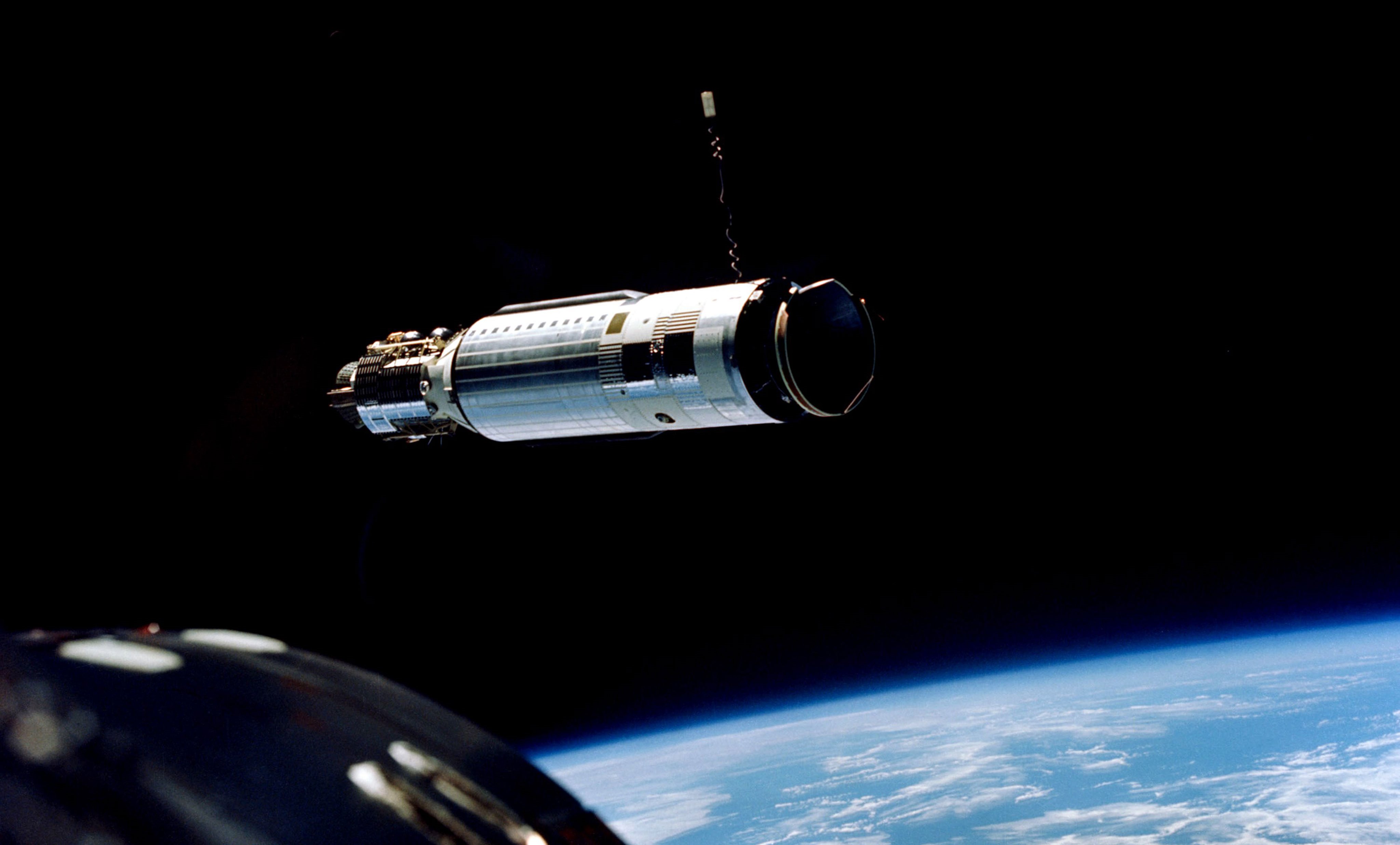 NASA
NASA NASA
NASA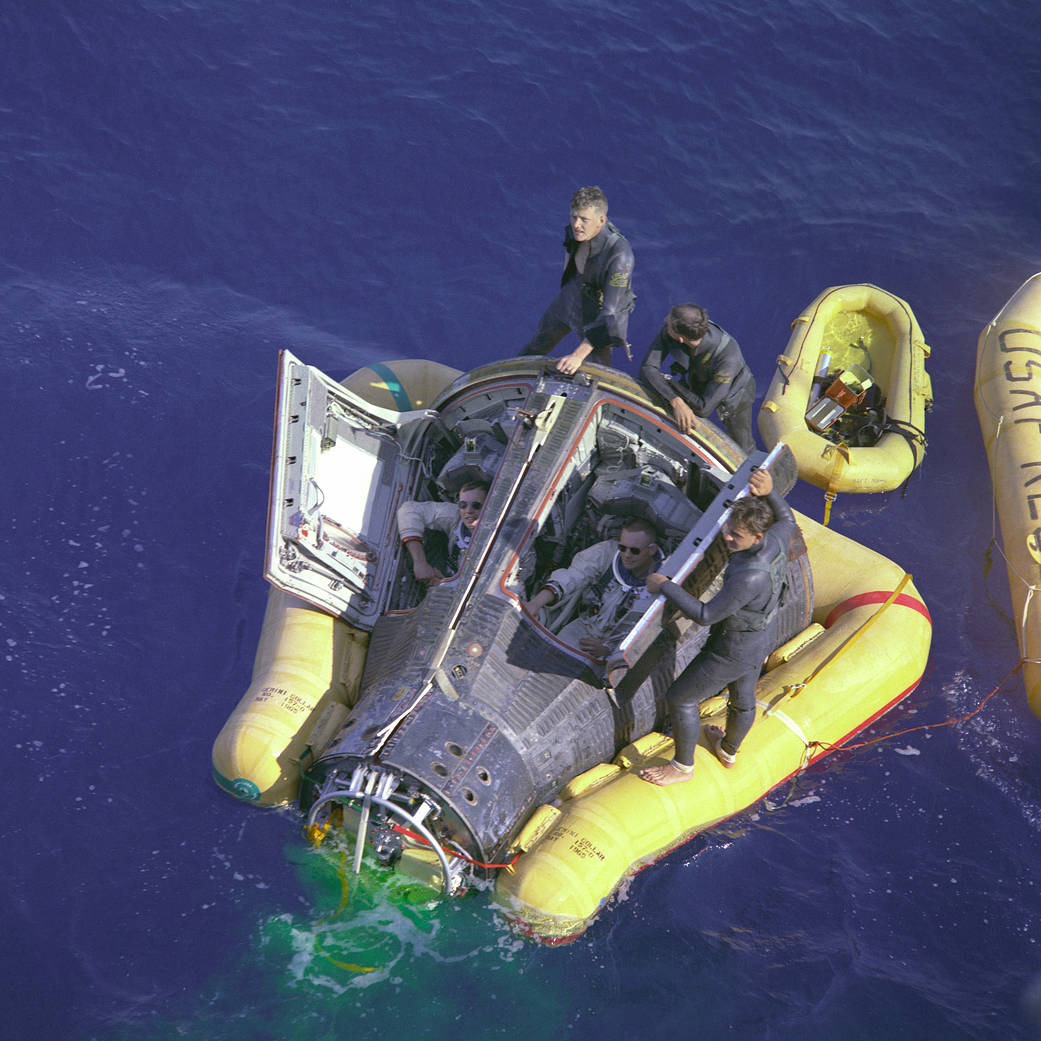 NASA
NASAImage Gallery: Flip through these classic NASA shots… from first rendezvous to spacewalks that made Apollo possible. Click arrows or dots yo!
Alright lets set the scene… its the early 60s, Cold War is heatin’ up, Kennedy just said were goin’ to the moon by decades end. Project Mercury wrapped up with Gordon Cooper orbitin’ 22 times in 1963… but that was solo stuff, short flights, no fancy moves. To hit the moon, NASA needed to master orbital mechanics, two spacecraft meetin’ up, astronauts floatin’ outside, and livin’ in space long enough for a lunar trip. Enter Gemini… named after the twins constellation cause the capsule held two dudes. The program kicked off in 1961 but first flight was 1965. Ten crewed missions, 12 uncrewed tests includin’ Agena targets. Budget? Around 1.3 billion bucks back then… about 13 billion today. It was risky, fast-paced, and every mission pushed harder. Gemini taught NASA how to fly… literally the bridge to Apollo.
This helped alot in Apollo 11 and all, Wanna know about apollo 11? Read this article: Apollo 11 Mission 1969
The goals were crystal… rendezvous and docking, extravehicular activity or EVA, long-duration flights up to 14 days, precise reentries, and usin’ onboard computers for maneuvers. The spacecraft? A beefed-up Mercury but way smarter. Two seats, ejection seats instead of tower, fuel cells for power not just batteries, radar for rendezvous, and a modular design so you could swap equipment. Titan II rocket… an ICBM turned space launcher, reliable but scary with hypergolic fuels that ignite on contact. Crew? Veterans from Mercury plus the New Nine group… guys like Neil Armstrong, John Young, Buzz Aldrin. They trained in simulators, underwater for EVA, centrifuges for G-forces. Gemini was about doin’ not just flyin’… every flight had experiments, from frog eggs to fuel cells testin’ tech for Apollo.
What Was Project Gemini Anyway?
Project Gemini was NASAs second human spaceflight program… ten crewed missions from 1965 to 1966, all about perfectin’ the skills for Apollo. The name comes from Gemini the twins, cause the capsule carried two astronauts… a big jump from Mercurys one-seater. Started plannin’ in 1961 right after Kennedy’s moon speech. The capsule was built by McDonnell Aircraft, same folks who did Mercury. It was 18 feet long, 10 feet wide at the base, weighed about 8,400 pounds. Inside? Cramped as heck… two guys side by side, no room to stand, but packed with new tech like OAMS thrusters for orbit changes, inertial guidance, and a radar system for findin’ other spacecraft.
Why Gemini? Cause direct lunar landings were too heavy… Apollo needed lunar orbit rendezvous or LOR, meanin’ dock in moon orbit. So Gemini tested that. Also, moon trip takes 8 days round trip… Mercury max was 34 hours. Gemini pushed to 14 days to match. Spacewalks? Soviets did it first with Leonov in 1965, but his suit ballooned and he barely got back. Gemini made EVA routine. The program had four main objectives… prove humans can work outside, master rendezvous and docking, fly long enough for moon missions, and land precisely on Earth. All ten missions succeeded mostly, with some close calls. Total flight time? Over 970 hours in space, 16 astronauts flew, no one died though Gemini 8 almost did.
Lets talk hardware… the Gemini spacecraft had two parts, the reentry module with crew and the adapter section with engines and fuel. Adapter jettisoned before reentry. Power from hydrogen-oxygen fuel cells… first time in space, produced water as byproduct which they drank. Computers? The Gemini Digital Computer or GDC, 4,000 words memory, weighed 59 pounds… less than your phone but did orbital calcs in real time. Titan II had two stages, 10 stories tall, 1.3 million pounds thrust. Launches from Cape Canaveral pad 19. Recovery? Parachutes into Atlantic, Navy ships picked em up. Gemini flew with Agena target vehicles… unmanned upper stages for docking practice. One mission even used an augmented target docking adapter or ATDA after Agena failed.
The Wild Missions One by One… From Shakedowns to Spacewalk Champs
Gemini started with uncrewed tests… Gemini 1 in April 1964 checked heat shield, Gemini 2 suborbital reentry test in 65. Then the crewed stuff kicked off. Gemini 3 with Gus Grissom and John Young… first maneuverable spacecraft, changed orbit three times, splashed down off target but proved controls. They smuggled a corned beef sandwich… NASA wasnt happy. Gemini 4, Jim McDivitt and Ed White… White did first American EVA, 20 minutes floatin’ with a hand-held gun for propulsion. Suit overheated, visor fogged, but epic. They tried rendezvous but no radar yet, just eyeball.
Gemini 5, Gordon Cooper and Pete Conrad… eight days in space, record breaker. Fuel cells worked great, but thrusters glitchy. They did 120 orbits, tested radar for future rendezvous. Close call when power dipped low. Gemini 6A and 7… the famous double flight. Gemini 7 launched first, Frank Borman and Jim Lovell… 14 days, the longest. Cramped, no suits after day 2 to save weight, pee in bags, food was squeeze tubes. Then Gemini 6A with Wally Schirra and Tom Stafford launched, rendezvoused with 7, flew formation six inches apart. First true rendezvous… Christmas in space vibes.
Gemini 8, Neil Armstrong and David Scott… first docking ever, with Agena. But thruster stuck open, spun em at one revolution per second… Armstrong undocked, used reentry thrusters to stop, emergency splashdown in Pacific. Saved the mission but cut short. Gemini 9A, Stafford and Gene Cernan… Agena failed, used ATDA but fairing stuck, angry alligator they called it. Cernan EVA… two hours, but suit overheated, visor fogged blind, heart rate 180, barely back in. Proved EVA needs better prep. Gemini 10, Young and Mike Collins… docked with Agena, used its engine to boost to 475 miles high, record. Collins EVA to retrieve experiment from Agena, umbilical tether.
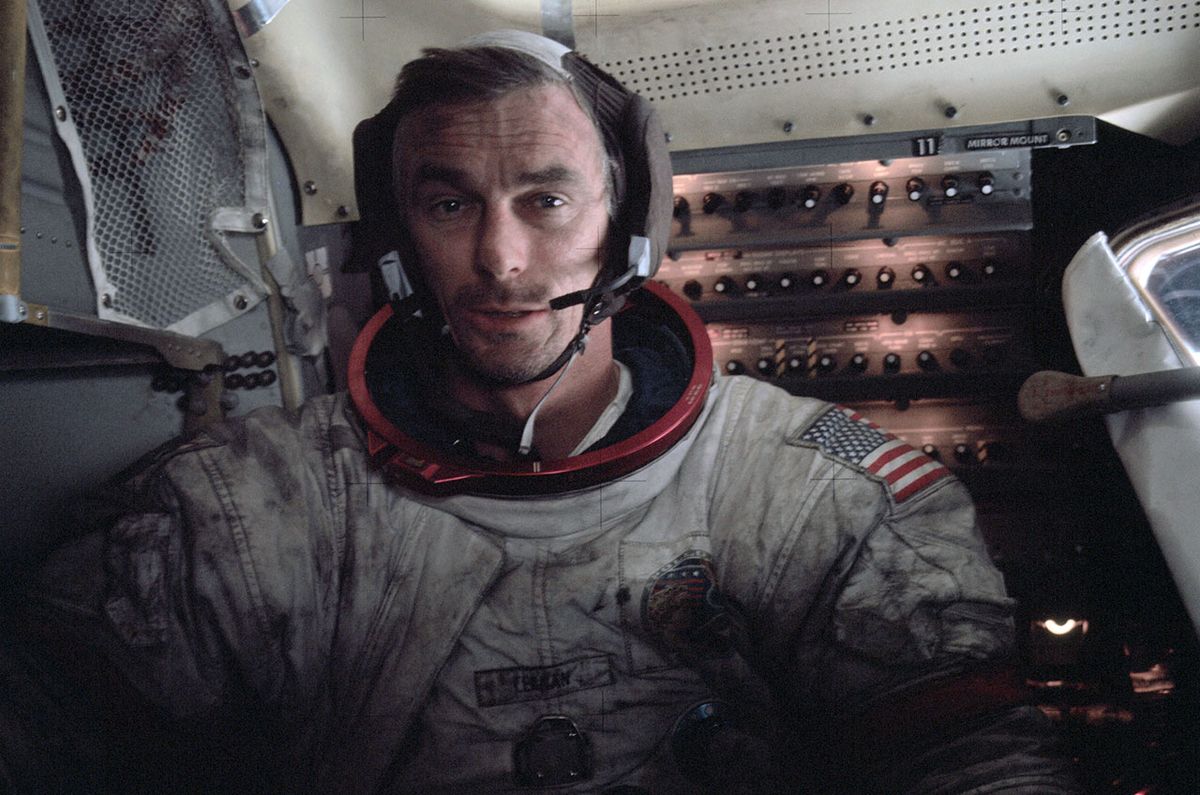
Gemini 11, Conrad and Dick Gordon… docked with Agena on first orbit, fastest ever. Used tether to create artificial gravity, spun connected ships. Gordon EVA but tired quick. High apogee 850 miles. Gemini 12, Lovell and Buzz Aldrin… last one, perfected EVA. Aldrin used handholds, foot restraints, no fatigue, three EVAs total five hours. Docked with Agena, did 14 experiments. Precise computer-controlled reentry, landed 3 miles from target ship. Gemini wrapped perfect… all goals smashed.
Each mission built on the last… early ones tested basics, middle pushed duration and rendezvous, late ones nailed docking and EVA. Total 16 spacewalks if you count stand-ups, but real EVAs were tough till better tethers and training. Computers got better, from manual calcs to onboard guidance. Fuel cells reliable after Gemini 5 issues. Reentries improved, from 200 miles off to pinpoint. Gemini flew 20 astronauts, some twice like Young and Lovell. No fatalities, but risks everywhere… stuck thrusters, suit failures, launch aborts practiced.
Spacewalks… From Disaster to Routine, Gemini Made EVA Work
EVA was huge for Gemini… Apollo needed moon walks, so practice in orbit. First American was Ed White on Gemini 4… 23 minutes, used HHMU hand-held maneuvering unit, zipped around like a jetpack. But gettin’ back in was hard, hatch sticky, he didnt wanna stop. Soviets Leonov almost died, suit inflated. Gemini learned… better suits, tethers, training. Cernan on 9A… nightmare, two hours planned but suit stiff, no handholds, worked so hard fogged visor, heart poundin’, barely climbed back. NASA realized need underwater training, neutral buoyancy.
Collins on 10… used umbilical, retrieved package from Agena, but tired quick. Gordon on 11… tethered to Agena, but fatigue again. Aldrin on 12 cracked it… foot restraints, handrails, planned tasks, no rush. Did three EVAs, cut cables, bolted stuff, proved you can work outside without killin’ yourself. Total Gemini EVA time 12 hours… Apollo used that for moon. In 2025, Artemis astronauts train same way, underwater pools simulin’ low gravity. Gemini showed EVA aint floatin’ pretty… its hard labor, needs tools, prep, and body management.
Suits evolved too… Gemini 4 basic, layers of nylon, thermal protection. Later added overvisors, better gloves. Pressure 3.7 psi, pure oxygen. Problems? Overheating, fogging, stiffness in vacuum. Solutions? Ventilation, tethers to avoid drift, practice. Aldrins techniques… conserve energy, use legs more, plan sequence… still taught today. Gemini did five real EVAs, turned scary unknown into standard procedure. Without that, Armstrongs small step? Impossible.
Rendezvous and Docking… The Key to Apollo Lunar Landings
Rendezvous means two ships meet in same orbit… docking join em. Apollo LOR… command module orbits moon, lunar module lands, docks back. Gemini tested all. Started simple… Gemini 6 chase 7, no dock just formation. Then Agena targets… unmanned, launched ahead. Gemini 8 first dock, but spin emergency. 9A ATDA failed fairing. 10 docked, used Agena engine boost orbit. 11 first orbit dock. 12 again perfect.
How it worked… ground computes intercept, spacecraft uses radar lock, pilot flies terminal phase. Onboard computer crunched numbers, thrusters nudge. Like catchin’ a bullet with another bullet… but in space. Gemini used M=4 strategy… coelliptic, constant delta height. Radar gave range, rate, angle. Practice in sims, but real thing vibrations, light glitches. Armstrong on 8… cool under spin, saved crew. Docking hardware… Agena had collar, Gemini nose probe. Click, lock, hard dock.
Why critical? Moon mission… LM ascends, must find CM quick or stranded. Gemini proved reliable, even with failures. In 2025, SpaceX Dragon docks ISS usin’ similar radar, laser. Orion for Artemis will dock Gateway same way. Gemini invented the playbook… terminal phase initiation, braking, station keeping. Without rendezvous, no moon base, no Mars.
Long Duration Flights… Livin’ in a Phone Booth for Two Weeks
Moon round trip 8-10 days… Mercury max 1.5. Gemini pushed limits. Gemini 5 eight days, issues but ok. Gemini 7 fourteen days… Borman Lovell, no suits, stored urine, ate dehydrated food, bored outta minds but healthy. Medical checks… bone loss minimal, heart ok, but tired. Proved body can handle, with exercise, diet.
Why hard? Cramped… volume like back of SUV for two. Waste management… bags, no toilet. Food squeeze tubes, cubes, rehydratable. Water from fuel cells. Sleep? Strapped in, shifts. Gemini 7 removed suits day 4, more room. Radiation? Van Allen belts, but short exposure ok. Psychological… isolation, but radio contact helped.
Lessons… need exercise gear, better food, privacy. ISS now has treadmills, real meals. Gemini 7 record stood till Skylab 1973. In 2025, Artemis moon trips will use Gemini data for crew health. Long duration key for Mars too… 6 months one way.
Tech Innovations… Fuel Cells, Computers, and More That Shaped Spaceflight
Gemini packed firsts… fuel cells, produced 1 kw power, water bonus. Batteries backup. Worked great after early leaks. Onboard computer… did navigation, attitude, reentry calcs. Punch tape input, display lights. Primitive but autonomous. Radar… 250 mile range, doppler for speed.
Thrusters… 16 OAMS, hydrogen peroxide later RCS. Precise control. Ejection seats… escape launch abort. Heat shield ablative, offset for lift control reentry. Experiments… 50+ across missions, synoptic photos, frog eggs growth, UV astronomy.
Legacy tech… fuel cells on Shuttle, computers evolved to laptops. Docking mechanisms standard. In 2025, Starliner uses updated Gemini ideas. Program accelerated tech… from drawing board to flight in years.
Close Calls and What Almost Went Wrong… Gemini Was Risky Business
Gemini had scares… Gemini 8 spin, 1 rps, blackout risk, used reentry control system RCS to stop, landed early. Cause? Short in thruster wiring. Gemini 9 ATDA shroud stuck, no dock. Launch delays, storms. Cernan EVA exhaustion… almost passed out. Gemini 5 fuel cell acid leak, power low.
Ground tests… Titan explosions uncrewed. Astronauts trained aborts. No deaths, but luck and skill. Gemini taught failure modes… redundancy, quick thinks. Apollo 1 fire later, but Gemini safe.
Fun Facts Thatll Make You Love Gemini Even More
Gemini astronauts played music… Schirra brought harmonica on 6, Lovell jews harp on 7. First space jam. Sandwich on 3… Grissom ate corned beef, crumbs everywhere, banned after. White left glove in space… floated away. Aldrin took selfie EVA… first space selfie kinda.
Borman Lovell 7… peed in bags, dumped made urine stars. Young flew 3 and 10, later Apollo 16 moon. Armstrong first civilian astronaut Gemini 8. Total cost per mission around 100 million then. Capsules on display Smithsonian, others.
Geminis Legacy… How It Paved the Way for Apollo and Beyond
Gemini direct to Apollo… docking for LOR, EVA for moon walks, duration for trip, reentry precision. Apollo skipped some cause Gemini did it. Astronauts… 9 Gemini vets walked moon, includin’ Armstrong Aldrin Collins. Tech to Saturn V, LM.
Today? ISS docking, EVA routine thanks Gemini. Artemis Gateway docking, moon EVAs build on Aldrin. Commercial crew Boeing Starliner, SpaceX Crew Dragon use rendezvous. In 2025, dearMoon Starship inspired by Gemini multi-crew.
Gemini showed teamwork… engineers, astronauts, ground. Fast iteration… mission every two months. Proved America catch Soviets, win race. Over 60 years later, still study Gemini data radiation, human factors.
Common Questions
Ten crewed missions 1965-66, bridge Mercury to Apollo… tested rendezvous, EVA, long flights.
16 total, some twice like John Young Jim Lovell.
Ed White Gemini 4, 20 mins with jet gun.
Gemini 7, 14 days Borman Lovell.
Gemini 8 Armstrong Scott with Agena, but emergency after.
Command pilot and pilot, share tasks, backup… Gemini twins.
Titan II GLV, modified ICBM.
Yeah all skills docking EVA duration reentry for moon landings.
Harmonica on 6, jews harp on 7… first tunes.
None, but close calls like Gemini 8 spin.
Museums… Smithsonian, Kennedy Center, some private.
4k words, did orbital math real time.
Gemini 12, perfected EVA techniques.
Gemini 6A and 7, first rendezvous formation.
Heck yes… Artemis ISS commercial crew use Gemini lessons.
References… Dig Deeper Yo
- NASA Gemini Program Page
- Gemini Summary Report NASA
- NASA 60 Years Gemini
- Smithsonian Gemini 4
- Space.com Gemini Overview
- Wikipedia Project Gemini
- NASA Rendezvous History
- On the Shoulders of Titans Gemini History
Thats the full blast on Project Gemini… from shaky starts to moon-ready pros. Which mission blew your mind most? Hit comments, share with space buddies. Keep explorin’ CurioNest got more comin’ like Mercury deep dive or Apollo 13 survival. Upward yo!!